

Kenya Explores Floating Power Plant Amid Increasing Energy Demand
Posted on : Thursday , 28th May 2026
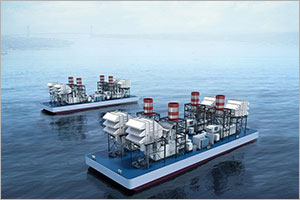
NAIROBI, Kenya — The Kenyan authorities are evaluating the possibility of deploying floating power plants along the Coast in response to increasing electricity demand and persistent grid instability, an initiative that could substantially strengthen the country's water and industrial infrastructure.
Authorities are assessing barge-mounted power generation units to tackle persistent blackouts and increasing consumption. This initiative comes in response to unprecedented peak demand levels exceeding 2,439 MW, while reserve margins continue to fall short of internationally recommended standards.
In contrast to traditional power stations that take years to construct, floating power plants present a rapid generation solution, offering emergency response capabilities during supply shortages or infrastructure deficiencies.
Industries that on electrically powered systems—including wafer treatment, wastewater management, mining, manufacturing, and irrigation—require stable electricity for operational continuity. Frequent outages have increasingly disrupted industrial pumping operations across Kenya and the wider
East African region. Utilities report pump failures, system pressure instability, and elevated operating costs
linked to diesel-powered backup systems.
The introduction of fioafingpeyec plants could therefore help stabilize operations in sectors where pumps and motor-driven systems are central to productivity. Water utilities stand to benefit significantly. Municipal treatment plants require uninterrupted power for raw water abstraction, chemical dosing, filtration systems, booster pumps, and wastewater handling. Grid instability disrupts water supply schedules and places additional stress on aging infrastructure.
Kenya's electricity demand has been on the rise due to rapid urbanization, industrial growth, the expansion of digital infrastructure, and increased household connectivity.
The nation has increasingly depended on power imports from Ethiopia and Uganda to ensure a stable supply. Nevertheless, energy experts point out that mobile generation infrastructure—such as floating barges—can provide quicker emergency relief compared to the construction of permanent thermal or hydropower facilities.
Worldwide, floating energy infrastructure is becoming more popular due to its rapid deployment and operational flexibility. Numerous African and Asian countries have implemented power barges as temporary or supplementary solutions, frequently associated with LNG-to-power projects, emergency generation, and mobile utility systems.
The effects of Kenya's floating power plant strategy could be notably significant for sectors that are closely monitored by Pumps Africa.
Mining operations require a consistent electricity supply for dewatering pumps, slurry transportation systems, mineral processing, water recycling, and ventilation. Power instability poses risks of production stoppages and damage to sensitive industrial equipment.
Water and wastewater utilities depend on uninterrupted pumping to maintain their supply networks. Stable power enhances pressure consistency, treatment efficiency, distribution reliability, and energy management performance.
Manufacturing and industrial processing facilities throughout Kenya continue to face elevated operational costs associated with power interruptions and reliance on diesel generators. Additional generation capacity could help reduce downtime and improve overall efficiency.
Agricultural and irrigation systems—especially large-scale commercial projects—are increasingly reliant on electrically powered pumping infrastructure. Reliable electricity is vital for ensuring resilience in food production.
The suggested floating power plants could potentially boost the demand for energy-efficient pumps, motors, and automation systems within Kenyan industries. As utility companies and manufacturers strive to enhance electricity usage, suppliers are progressively launching variable speed drive systems, intelligent pumping technologies, predictive maintenance platforms, and energy monitoring solutions. These innovations can assist in lowering operational expenses while enhancing the resilience of infrastructure.
Kenya's exploration of floating power plants tackles both immediate blackouts and the long-term needs of industrial development. Consistent electricity is essential for ensuring water security, enhancing industrial productivity, facilitating mining growth, maintaining manufacturing competitiveness, and modernizing infrastructure. In East Africa's swiftly developing economies, the link between dependable power and pumping infrastructure is becoming more intertwined.
As Kenya progresses in assessing the floating power plant initiative, the results may transform the strategies employed by utilities, industries, and infrastructure operators throughout the region in terms of energy resilience.